
Thanksgiving, held on the fourth Thursday of November, is a feast of gratitude built on one of humanity's oldest instincts: to gather when the harvest is in, share what the land has given, and say thank you. Here are the stories and customs behind the holiday.
Harvest Festivals Are Ancient
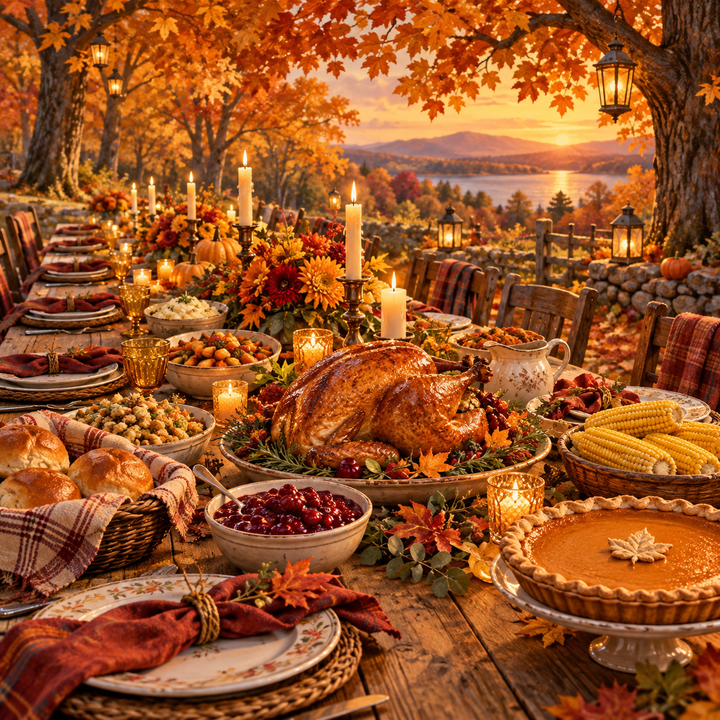
Long before anyone wrote the word Thanksgiving, people celebrated the end of the growing season. Ancient Greeks honored Demeter with the Thesmophoria, Romans feasted for Ceres, and in Norse lands the end of harvest brought gatherings known as Haustblót, the autumn feast, followed by Winter Nights at the end of October. Across North America, Native peoples had their own harvest ceremonies of thanks for corn, beans, squash and wild rice, many of which continue today.
The pattern is always the same: work finished, food stored, neighbors invited. Thanksgiving is the latest chapter of a very old tradition.
1621: A Harvest Meal at Plymouth
The event most Americans call the first Thanksgiving was a three-day harvest gathering in autumn 1621 at Plymouth Colony, shared by about fifty English colonists and roughly ninety Wampanoag men led by Massasoit. The colonists' own account mentions wildfowl and venison; we do not know that turkey was served, and the menu was likely very different from a modern table. It was also not called Thanksgiving at the time, and it was not repeated every year.
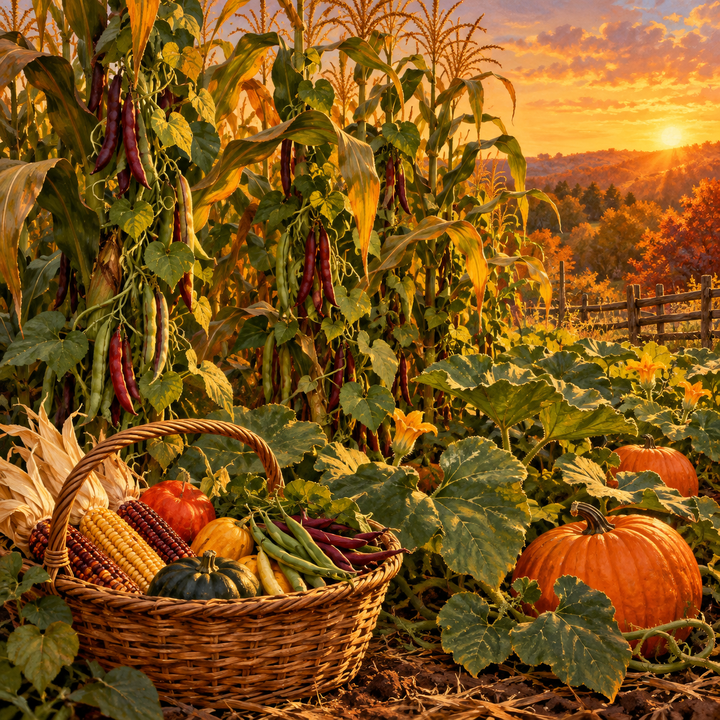
The Wampanoag, the People of the First Light, had farmed this land for generations. The food that helped the colonists survive, corn, beans and squash grown together in the "Three Sisters" method, came from Native agriculture. Many Native Americans observe the day as a National Day of Mourning as well, a reminder that the story has more than one side, and that gratitude and honest history belong together.
How Thanksgiving Became a National Holiday
Days of thanksgiving were proclaimed by colonies, towns and presidents for two centuries, on many different dates. George Washington declared one in 1789. The holiday we know owes the most to Sarah Josepha Hale, the editor of a popular magazine (and author of the nursery rhyme "Mary Had a Little Lamb"), who campaigned for decades for a national day. In 1863, in the middle of the Civil War, President Abraham Lincoln answered her with a proclamation setting aside the last Thursday of November as a day of thanks and healing.
In 1939 President Franklin Roosevelt moved the date a week earlier to lengthen the holiday shopping season, which caused so much confusion that Congress settled the matter in 1941: Thanksgiving is the fourth Thursday of November. Canada, which celebrates its own Thanksgiving on the second Monday of October, has its own long tradition of harvest thanks.
Parades, Football and Pie
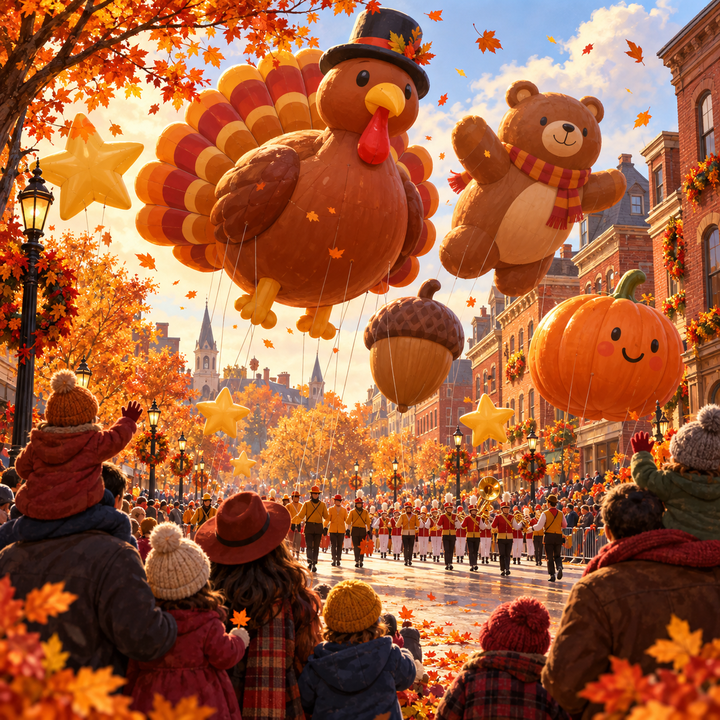
Traditions piled on over time. The first Macy's Thanksgiving Day Parade rolled through New York in 1924 with live animals from the Central Park Zoo, and the giant balloons arrived in 1927. Football on Thanksgiving goes back to 1876, and the NFL has played on the holiday since its earliest seasons. The President pardons a turkey each year, a custom that grew into its current form in the 1980s and 1990s.
Families add their own rituals: the kids' table, the wishbone, a round of "what are you thankful for," and the nap that follows.
The Table
Turkey became the centerpiece in the nineteenth century, helped along by Hale's recipes and by the fact that a bird feeds a crowd. Cranberries, pumpkins, corn and sweet potatoes are all foods native to the Americas, which is why the menu still tastes like the land where the holiday began. Pumpkin pie, stuffing, gravy and rolls fill in the rest, and every family swears its version is the right one.
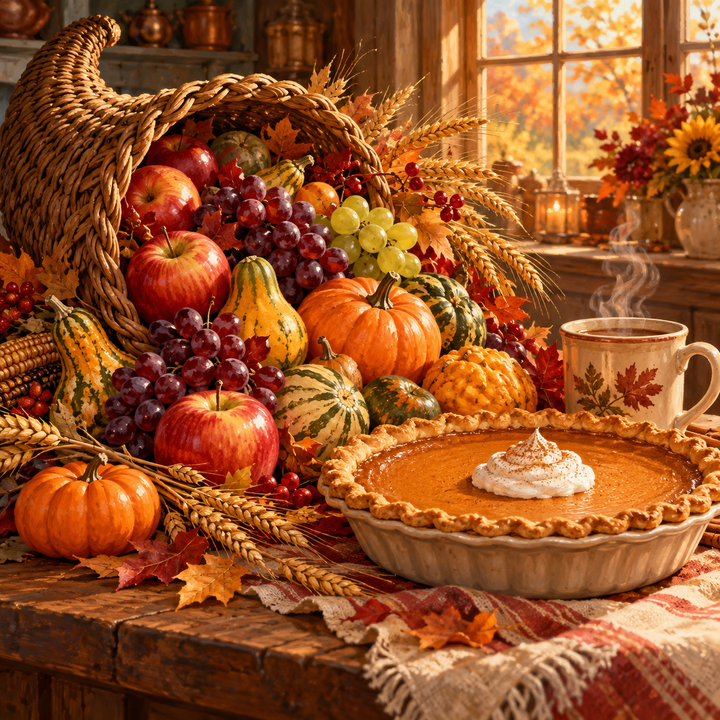
The cornucopia, the "horn of plenty" overflowing with fruit and grain, is a symbol taken from Greek mythology, and it has stood for abundance at harvest tables for more than two thousand years.
However you celebrate, the heart of the day is the same one our ancestors felt at the end of every harvest: gather the people you love, share what you have, and be glad of it. Happy Thanksgiving from all of us at the North Pole.